


To order, contact one of the following numbers.

 To contact the factory, please contact the following numbers.

To contact the head office, please contact the following number.

Click to access the company's official website.

Click to access the company's Instagram page.

Welcome to the official website of Nadoshan Gift Starch and Gluten Company.
At Nadosh Gift Starch and Gluten Company, with more than 20 years of experience in producing high-quality starches, we have strived to provide products that best meet the needs of various food, pharmaceutical, and industrial industries, utilizing up-to-date knowledge and modern equipment. Time is of great value to us, and we are committed to delivering our products to our customers on time.
Nashaste Hedeyeh Nadoushan Company is a safe choice for superior quality and service. Join us and have a different experience of cooperation.
Your satisfaction as artisans makes us happy.
Click to see our website in Persian.
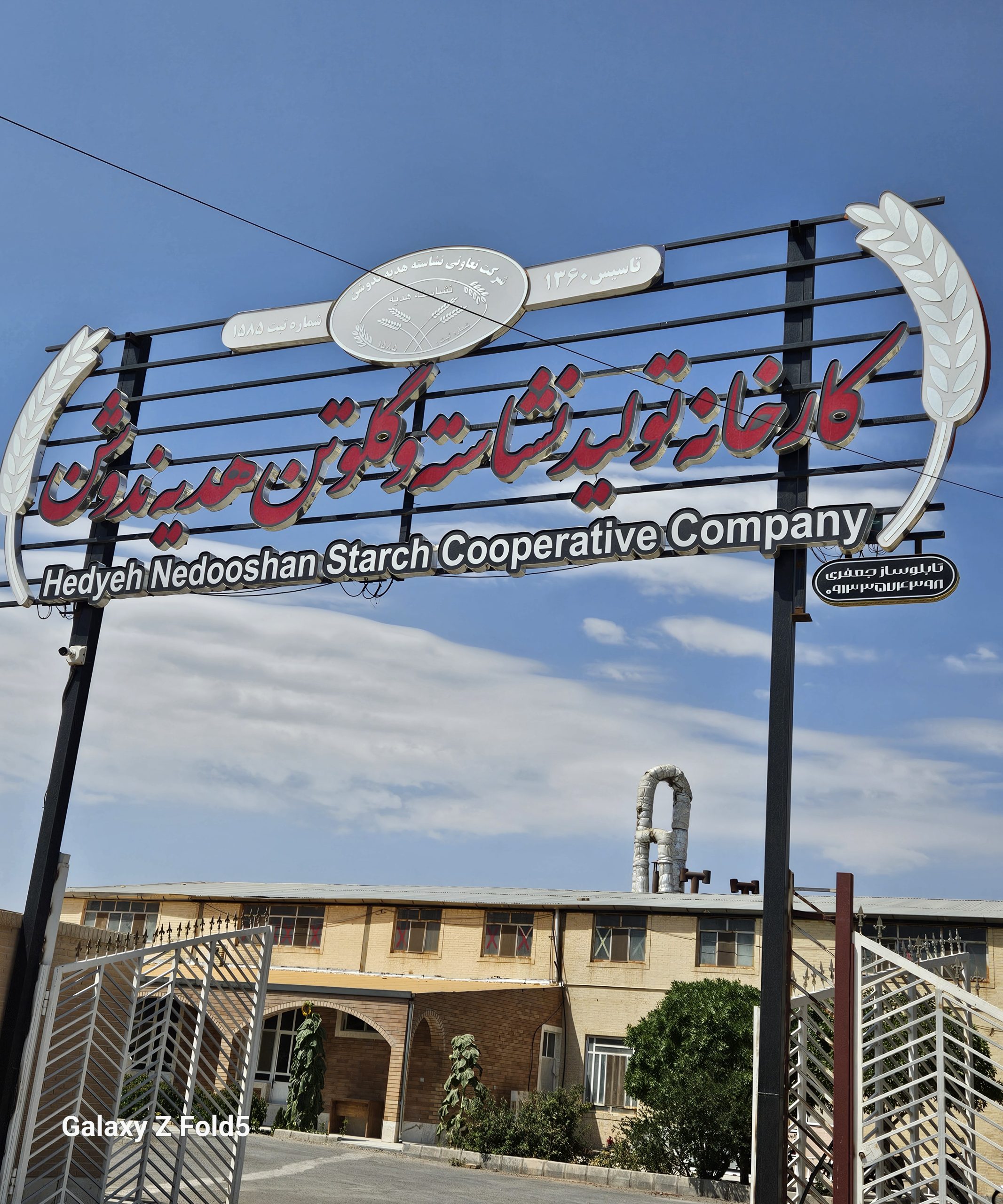
Hedeyeh Nadoshan Starch Company was established in 1997 on a land area of 16,000 meters and started its activities in Yazd province in 2005. Then, in 2005, the machines were developed and renovated with new management, and in 2013, by updating the machines, it was upgraded from the Martin method to an industrial method, which has the ability to produce all types of modified starch.

Click on the relevant section to receive any of the following content:
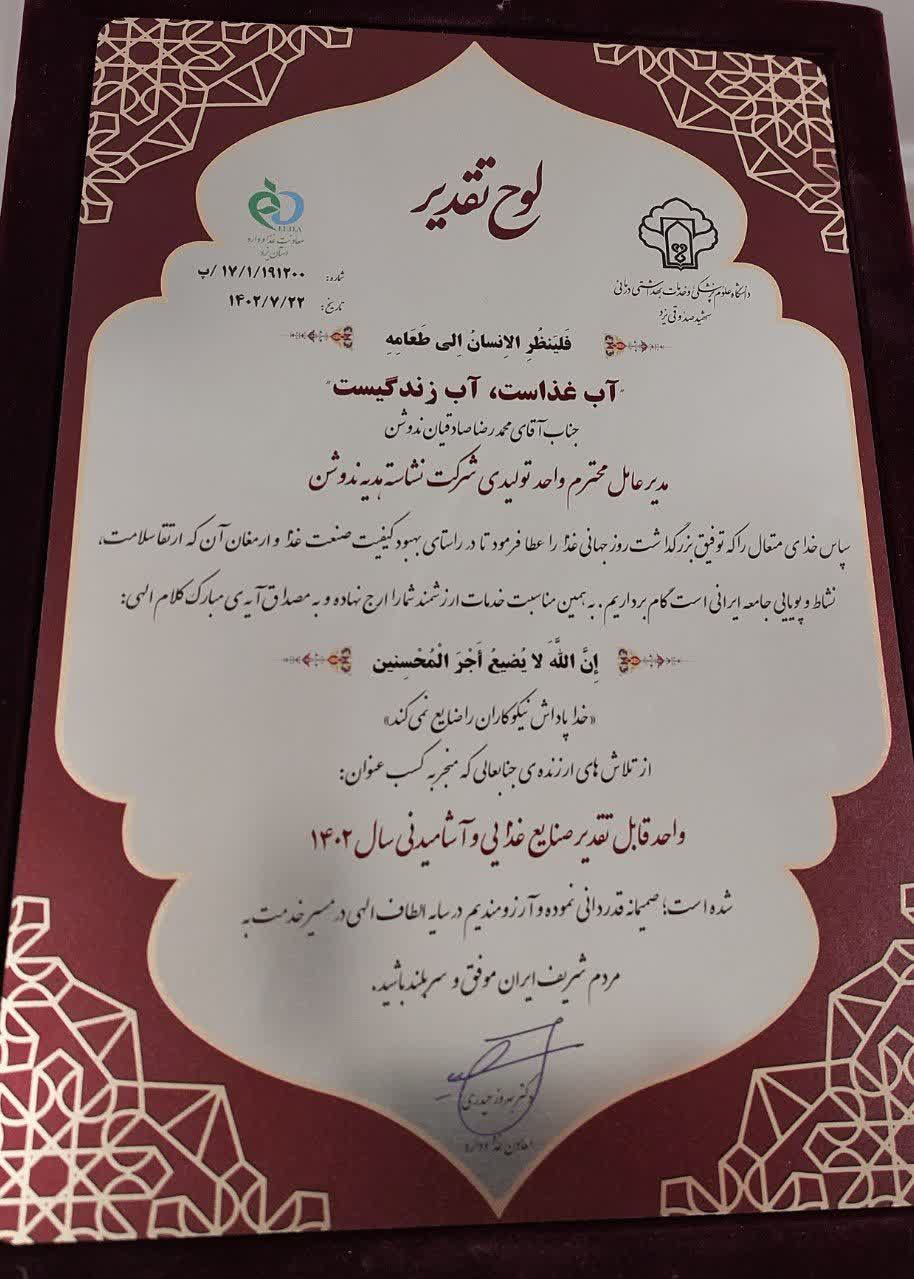
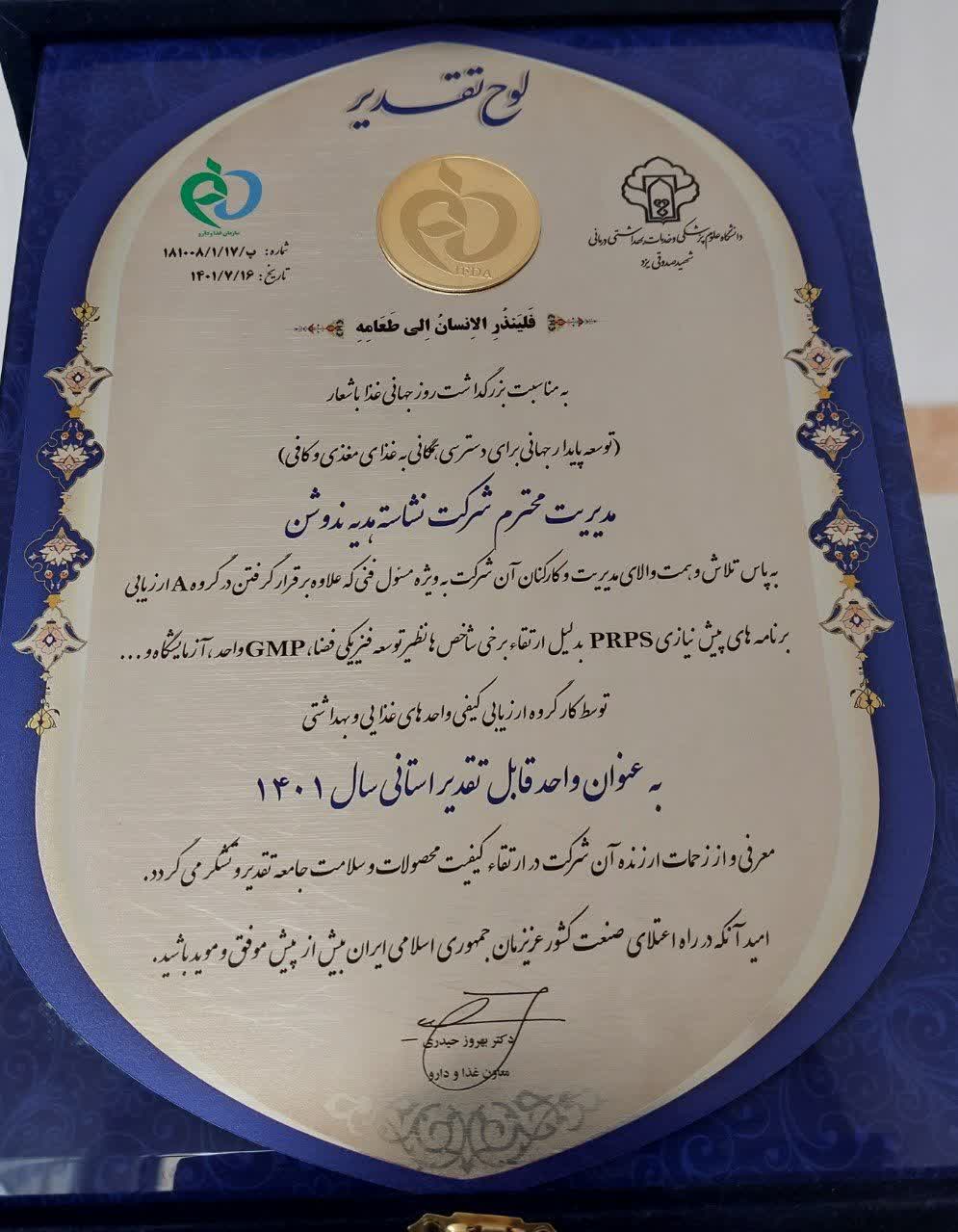
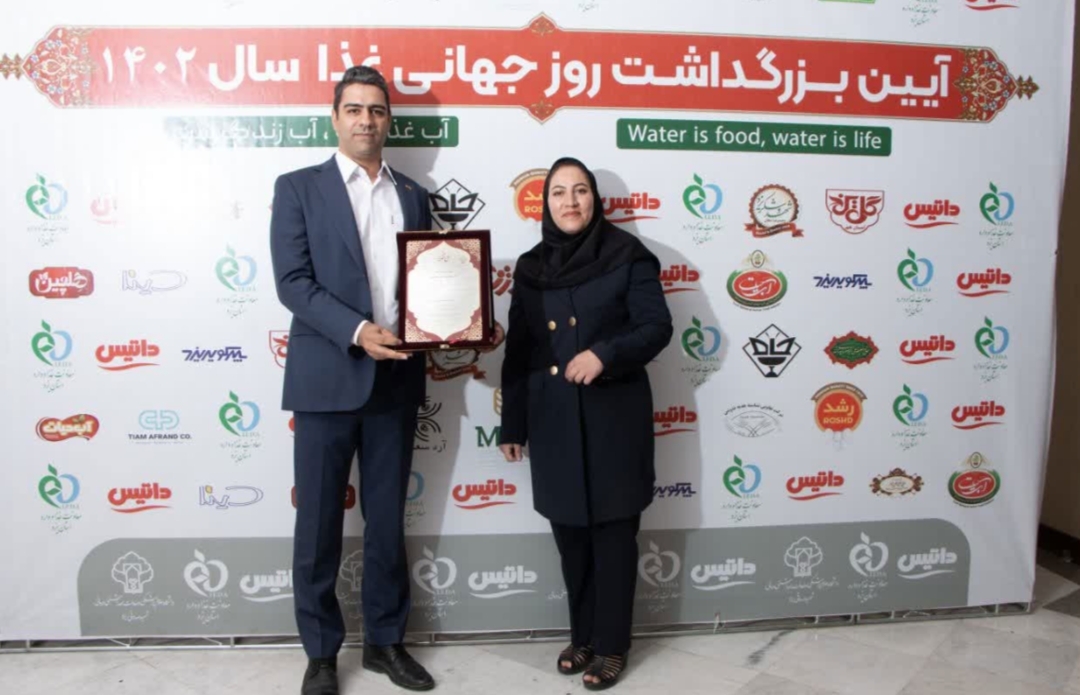
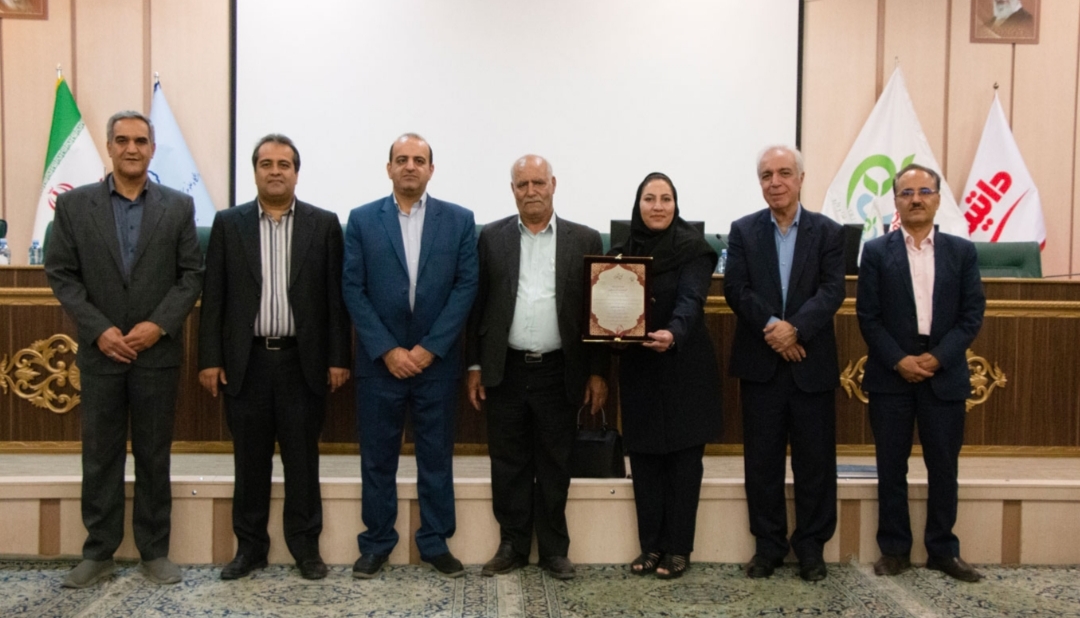
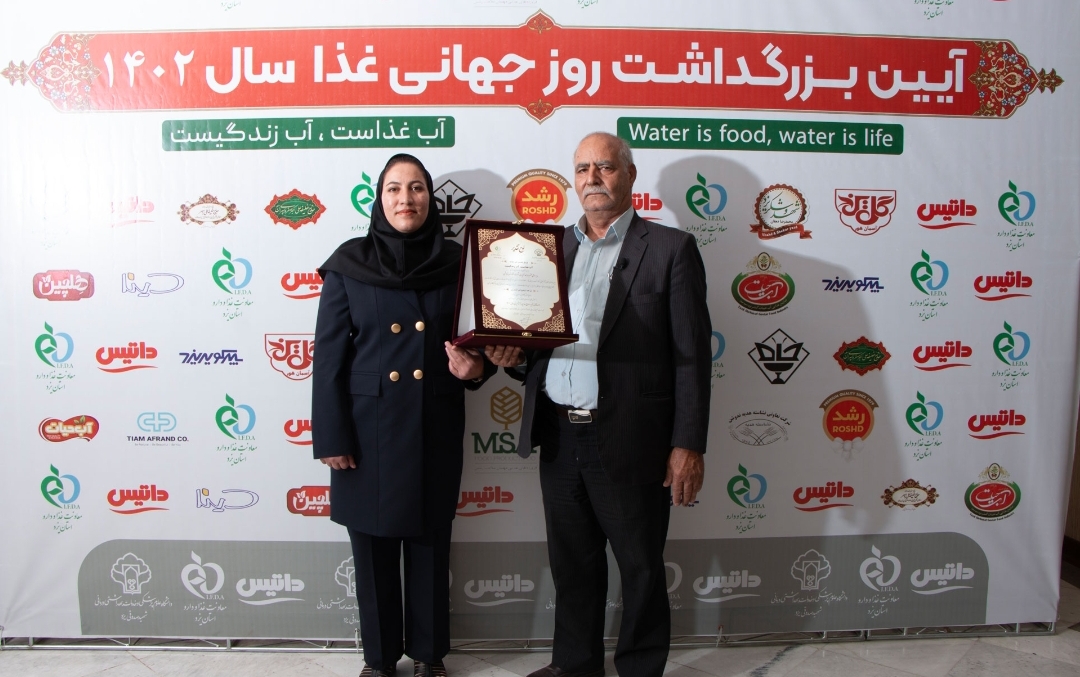
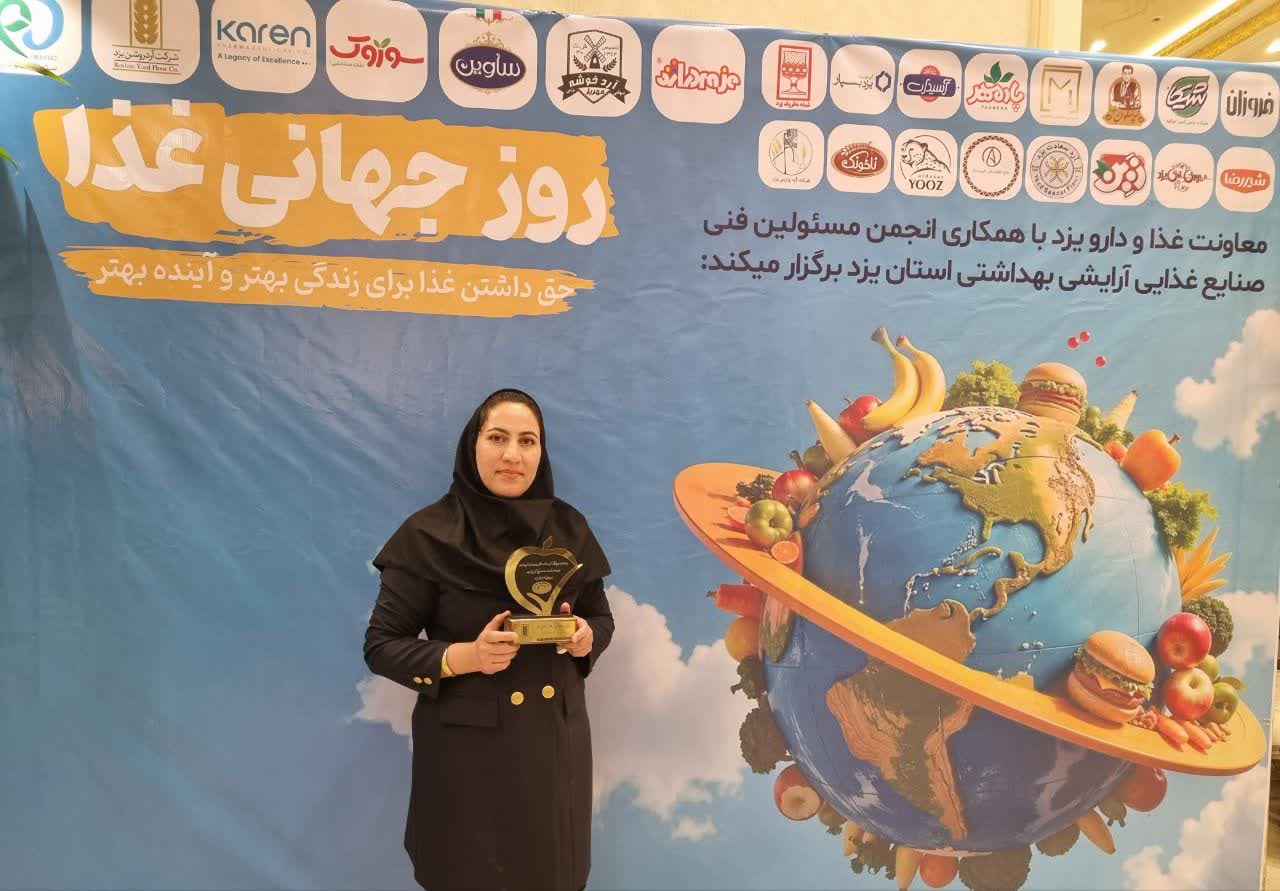
On World Food Day, Nadoshan Starch and Gluten Company was honored to receive the Food Day Appreciation Plaque in 1401 and 1402 in recognition of its relentless efforts and the quality of its special food products. This recognition was presented to the company as a symbol of its responsibility and commitment to the high standards of the food industry and public health.


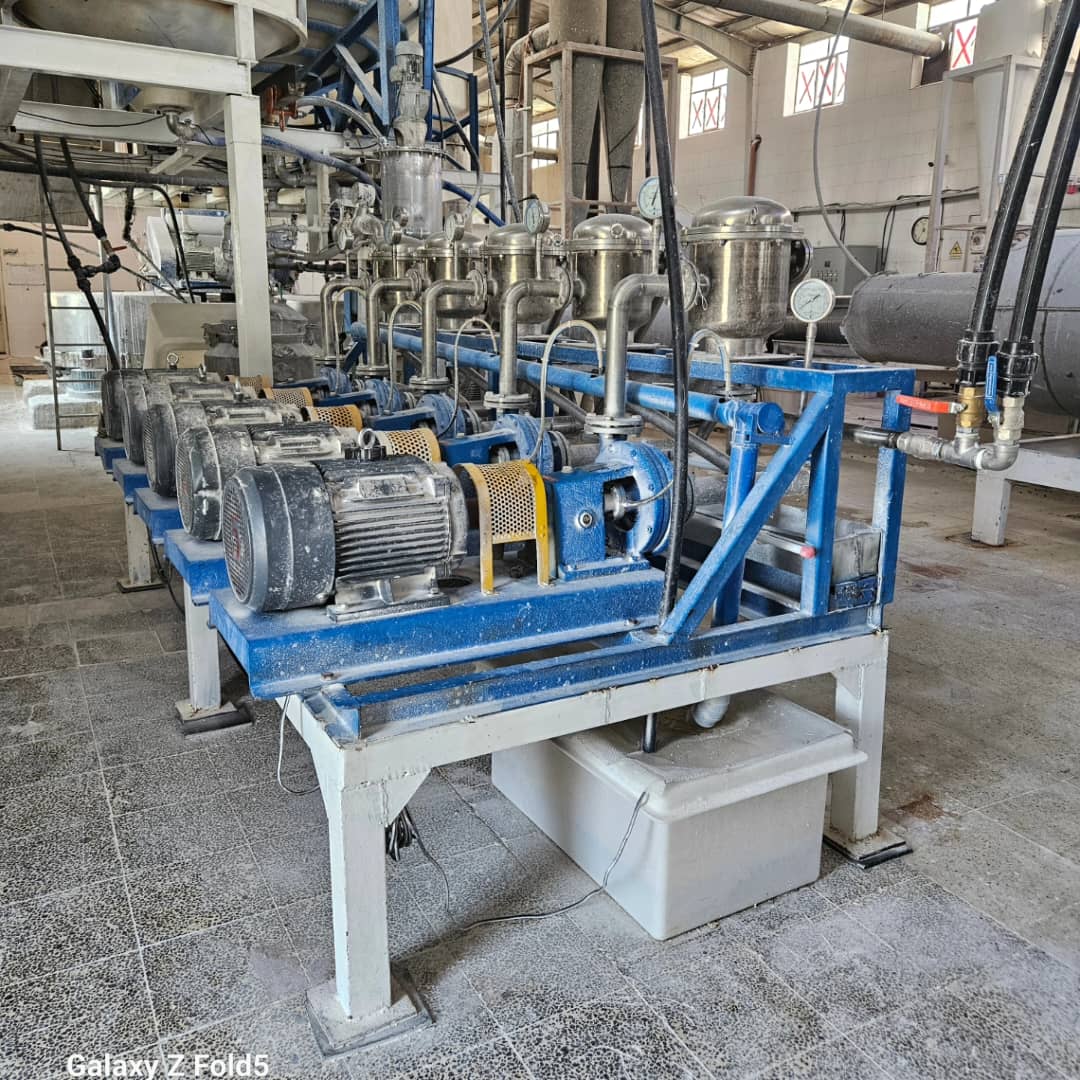
The interior of the Hedeyeh Nadoshan Starch Factory has been designed as an advanced example of the world's latest technologies in the starch production industry and its related products, using modern devices and advanced technologies.
With the aim of ensuring quality and improving productivity, this factory is equipped with up-to-date machinery from the most prestigious global brands, which brings the production process to the desired accuracy, speed, and quality. The working environment in this factory is such that employees work in a safe and hygienic environment with the best working conditions.
All processes are carried out according to international standards and hygiene principles to ensure that the best possible products reach consumers.

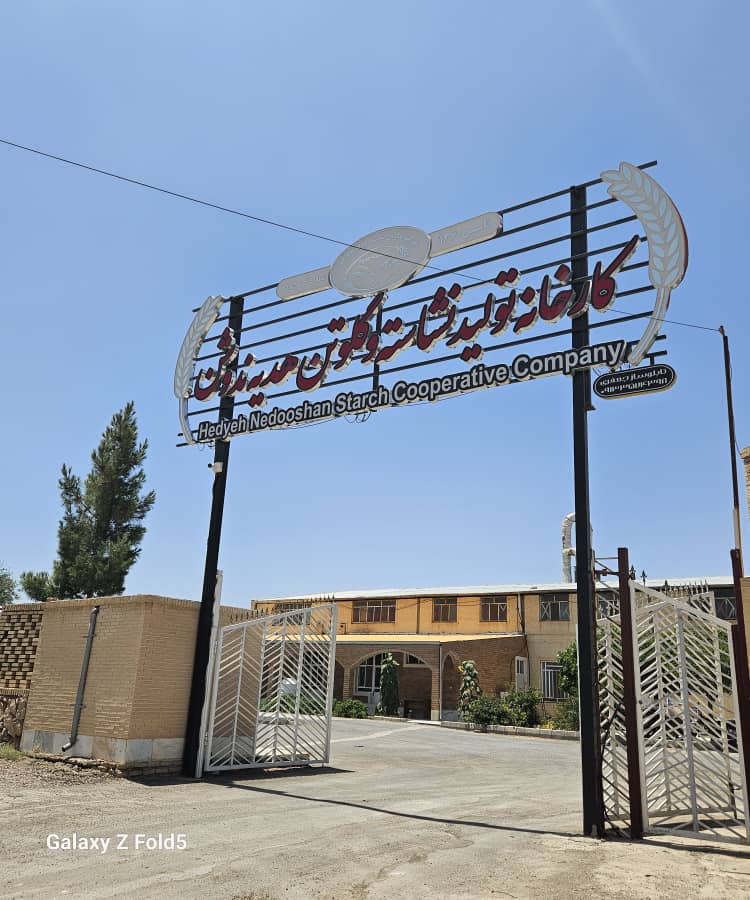
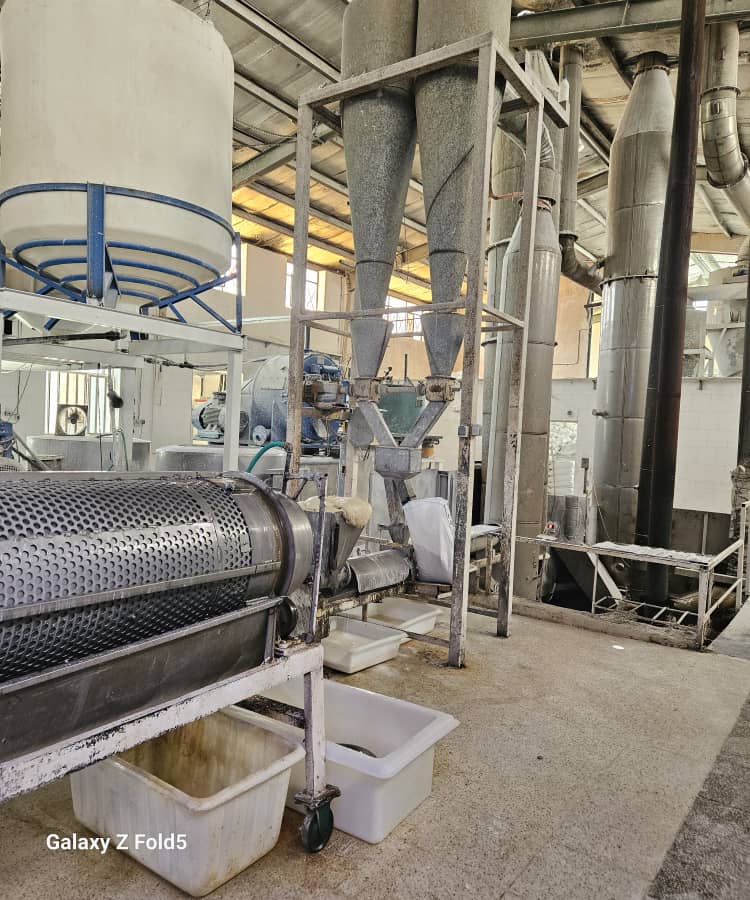
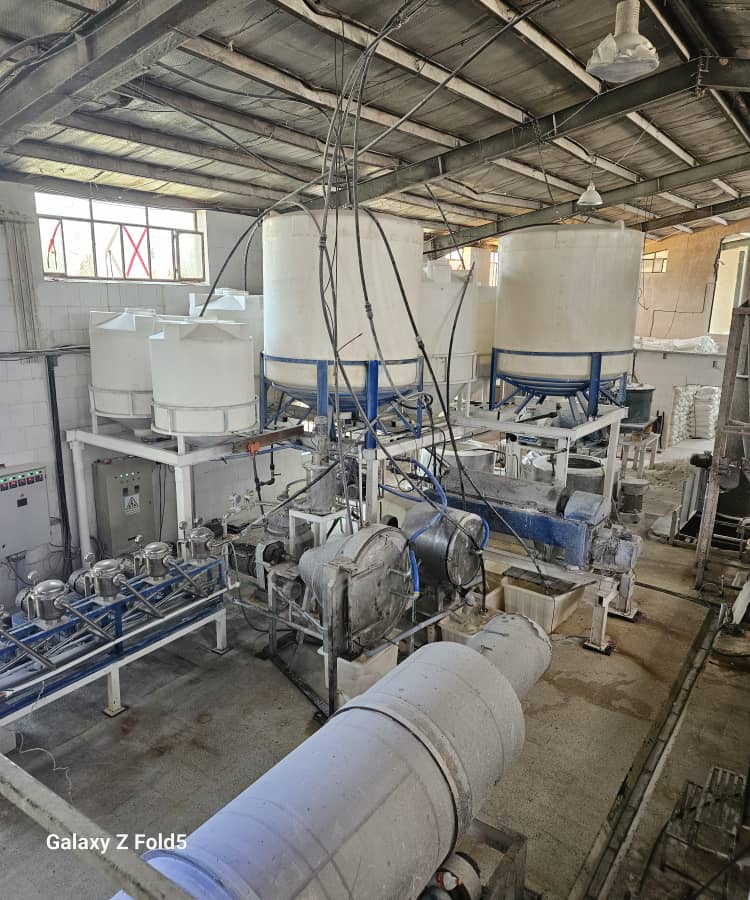
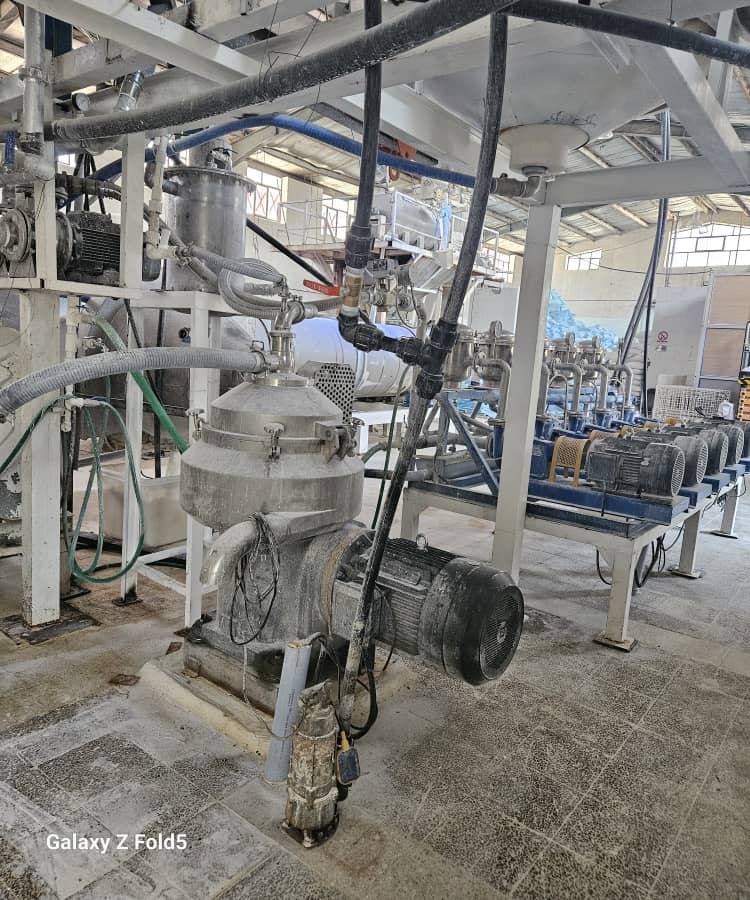
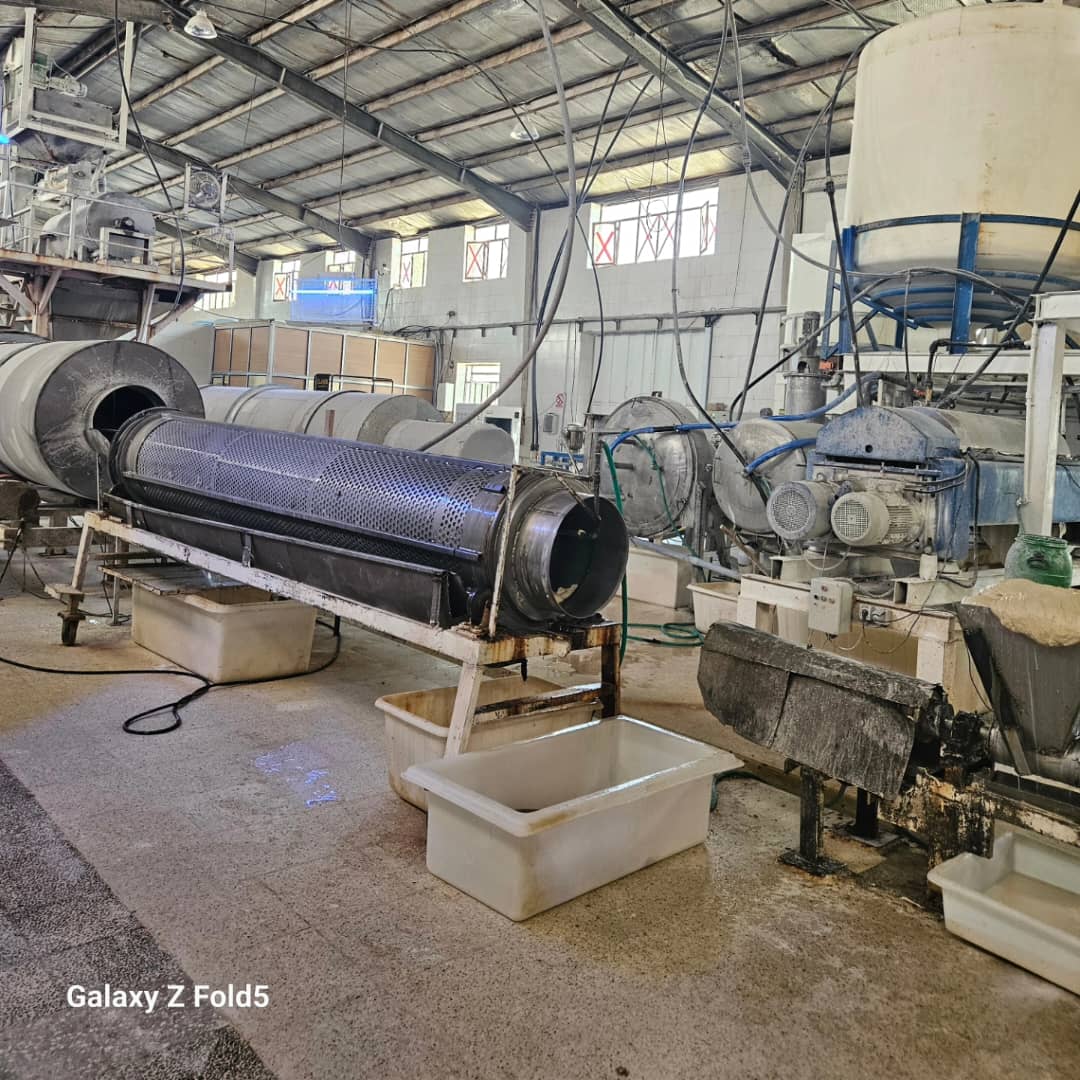
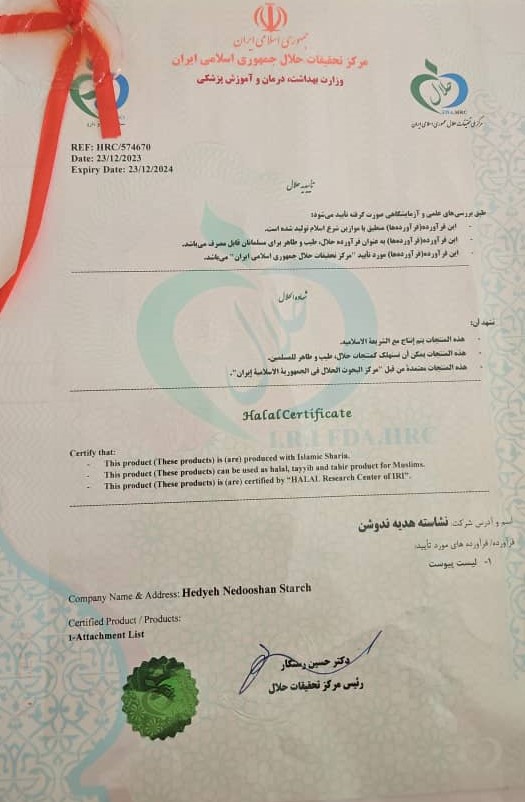
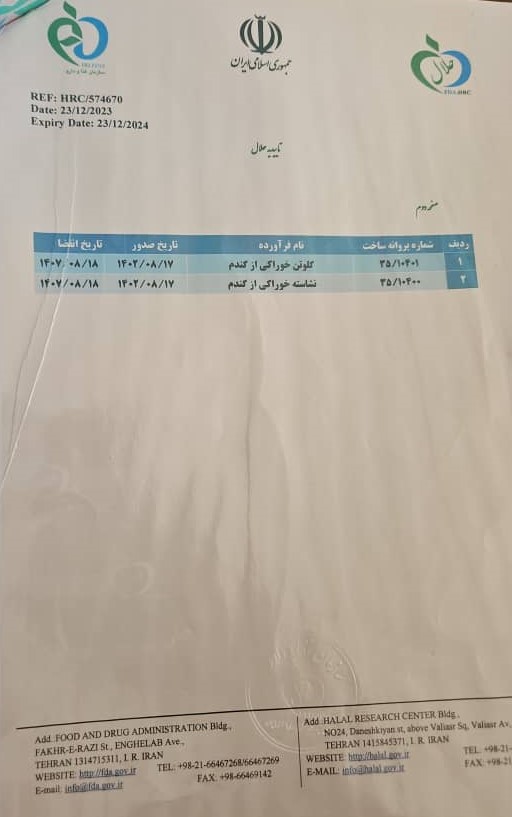
Hedeyeh Nadoshan Starch Factory, with the aim of producing high-quality starch in accordance with international standards for the health of our valued consumers, is proud to have succeeded in obtaining the Health Apple license from the Food and Drug Administration.
This license demonstrates adherence to the principles of health, safety, and quality in all stages of product production. Hedeya Nadoshan Factory is always striving to produce products that meet your needs in accordance with global standards, thereby helping to maintain the health of society.

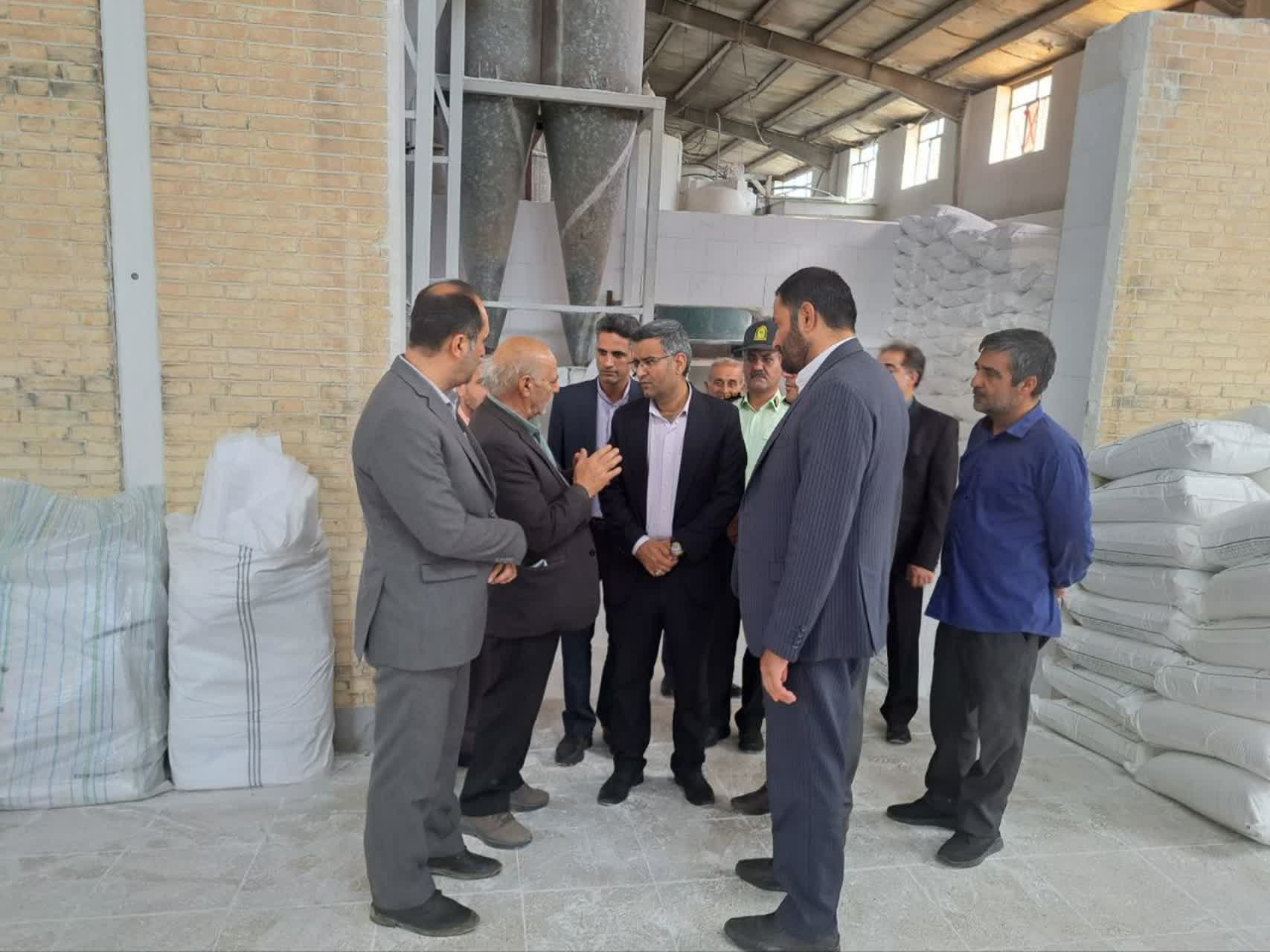
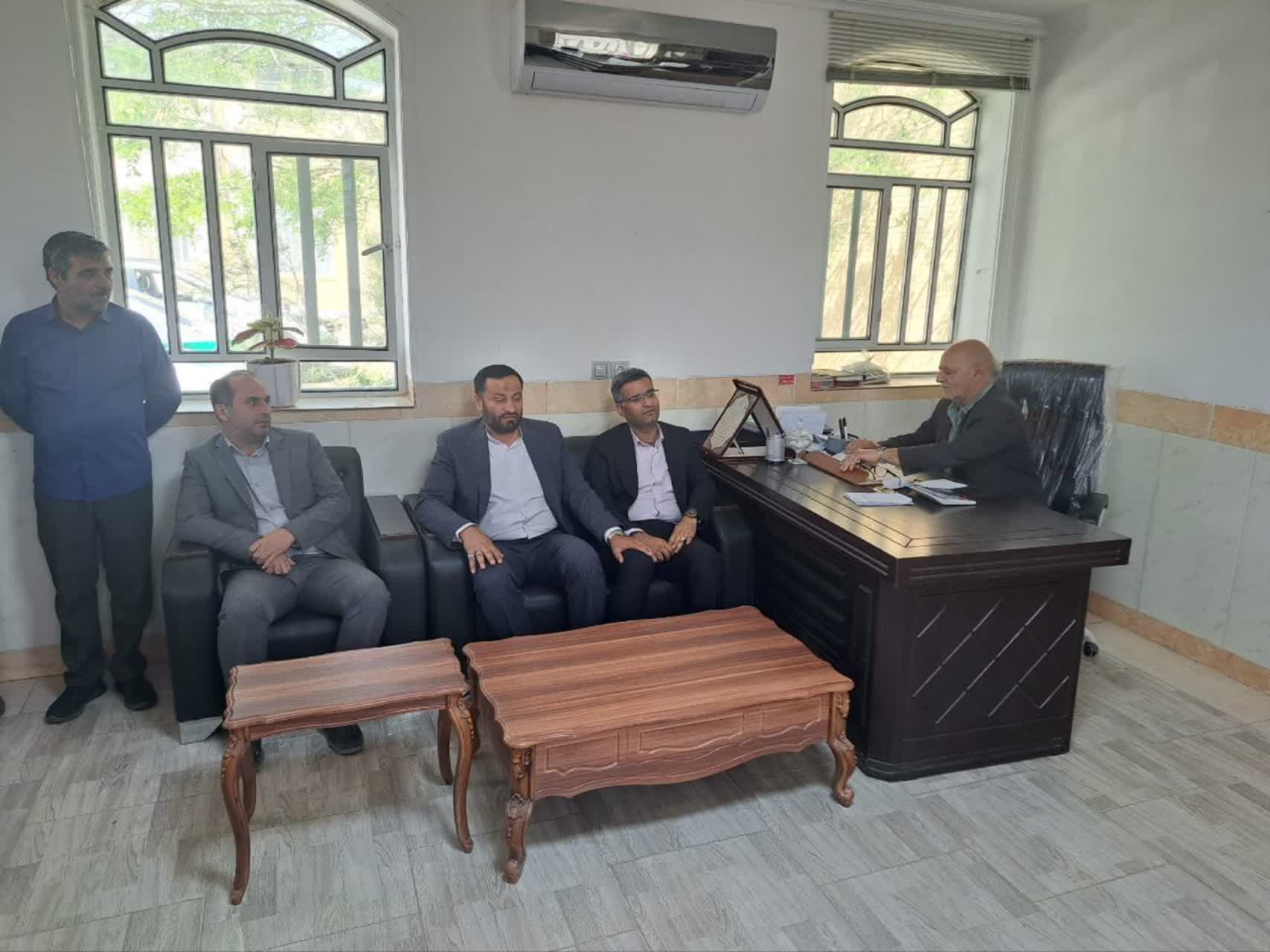
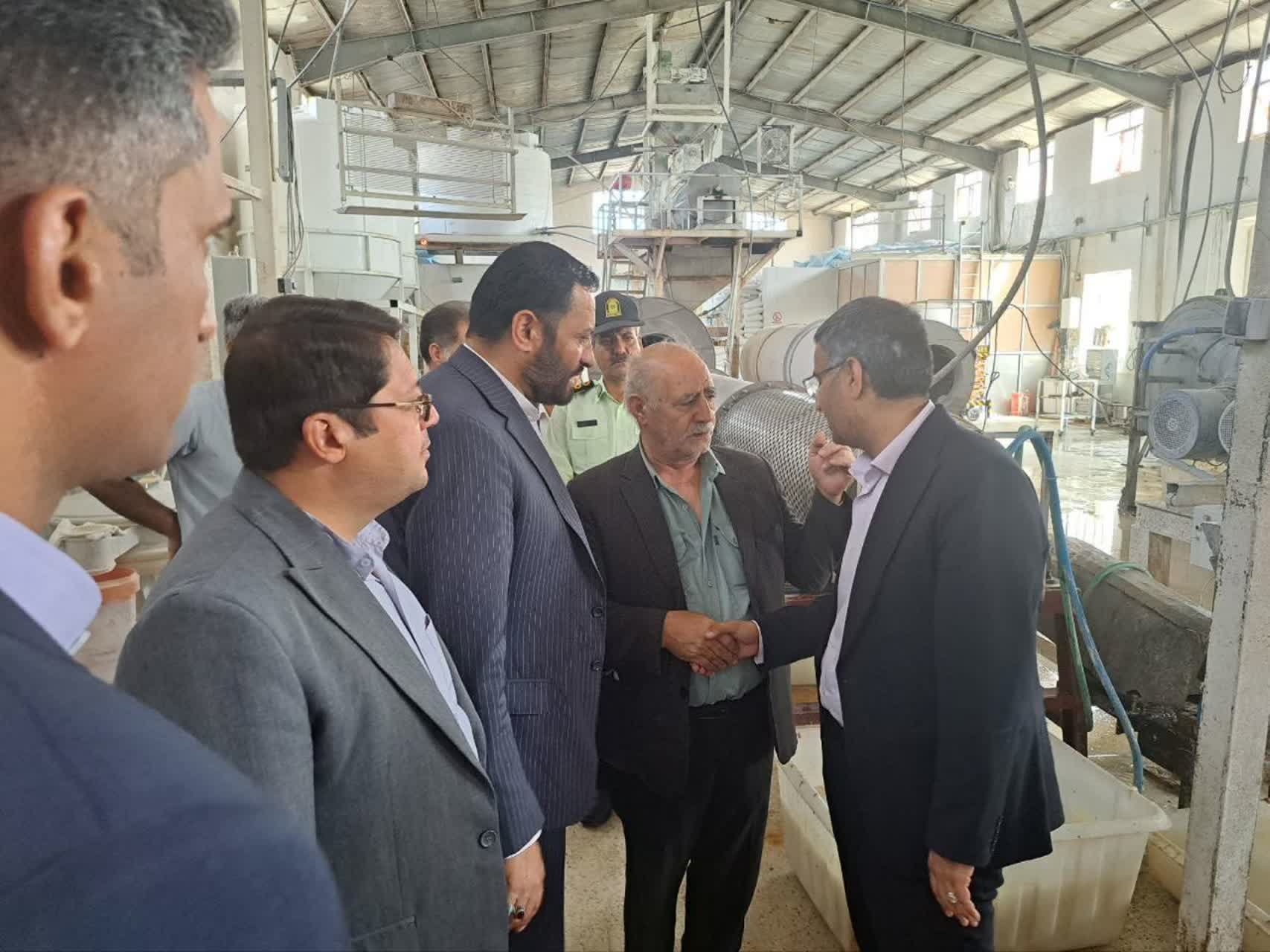
The Governor of Meybod County, Mr. Melanouri, along with his accompanying team, visited the Hedeyeh Nadoshan Starch and Gluten Factory. This visit was carried out in order to support domestic production and develop industries in the city of Nadoshan. During this meeting, the Director of the Hedeyeh Nadoshan Starch and Gluten Factory, Mr. Sadeghian, presented a report on the production process and various processes of this industrial unit.

Getting to know our company's products

The first product is starch.
gluten
Starch is a complex carbohydrate that is stored in plants as a source of energy. Starch is found mainly in grains, potatoes, rice and corn. It is made up of two types of molecules, amylose (linear) and amylopectin (branched). Starch is easily converted by the body into simple sugars and provides the body with energy.
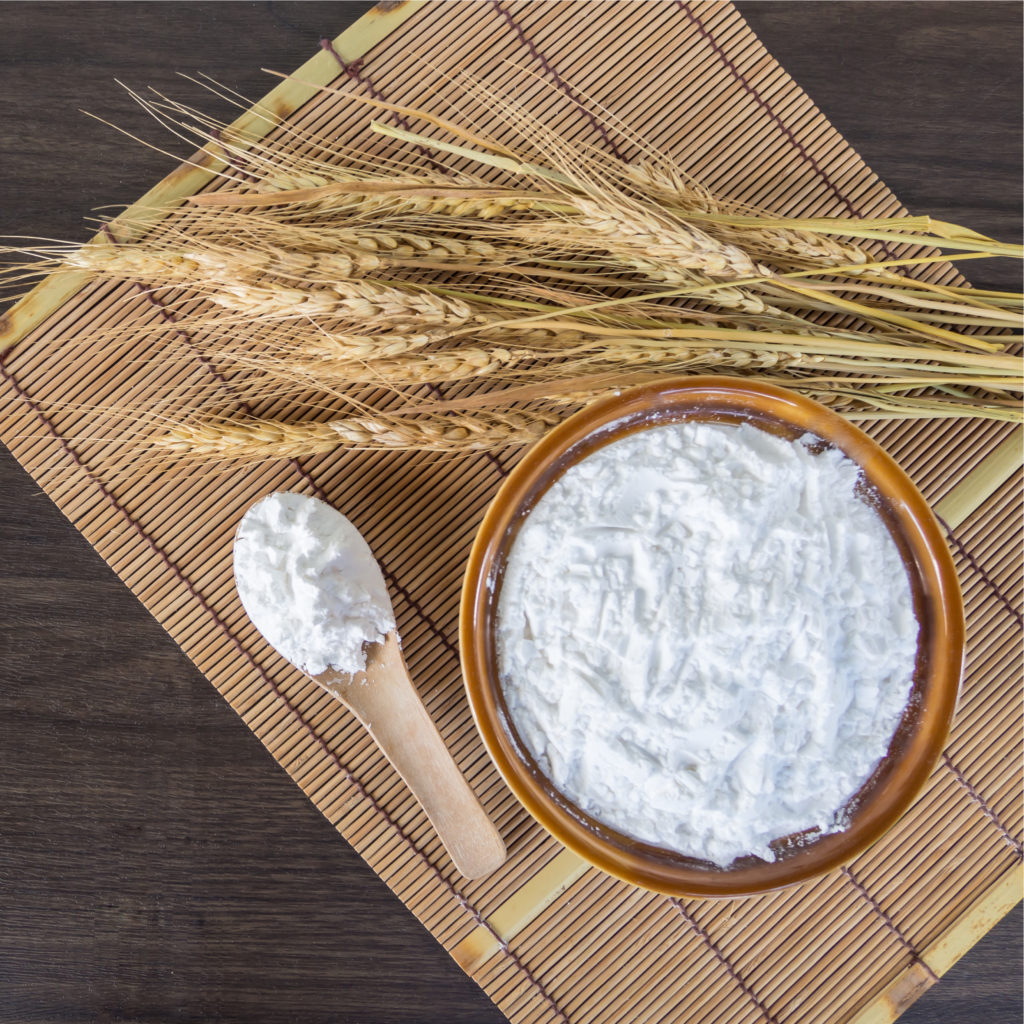
Starch is one of the oldest natural compounds used by humans, playing an important role in industry, medicine, and nutrition. The history of starch dates back thousands of years, when early humans first used starchy plants such as wheat and potatoes to provide energy.
The use of starch has been common in civilizations such as China and Egypt. In China, rice starch was used to prepare herbal medicines and traditional foods. In the Middle Ages, Muslim and European scientists began to research starch. During the Renaissance, starch was recognized as an adhesive in the textile and papermaking industries. Starch was used to size fabrics and strengthen the texture of paper.
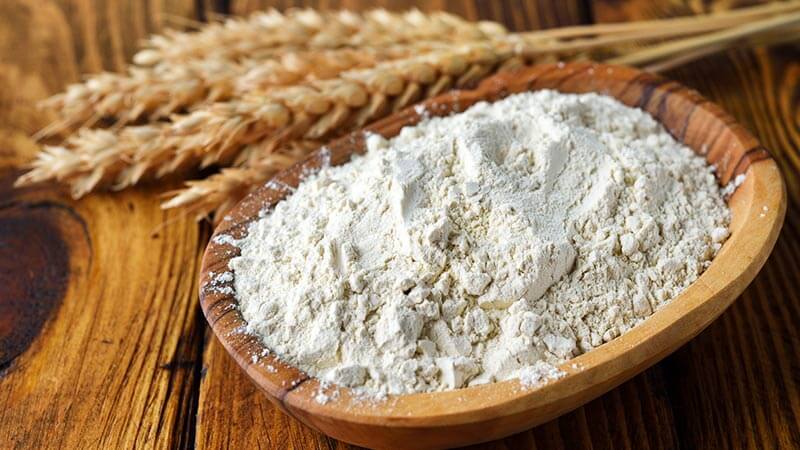

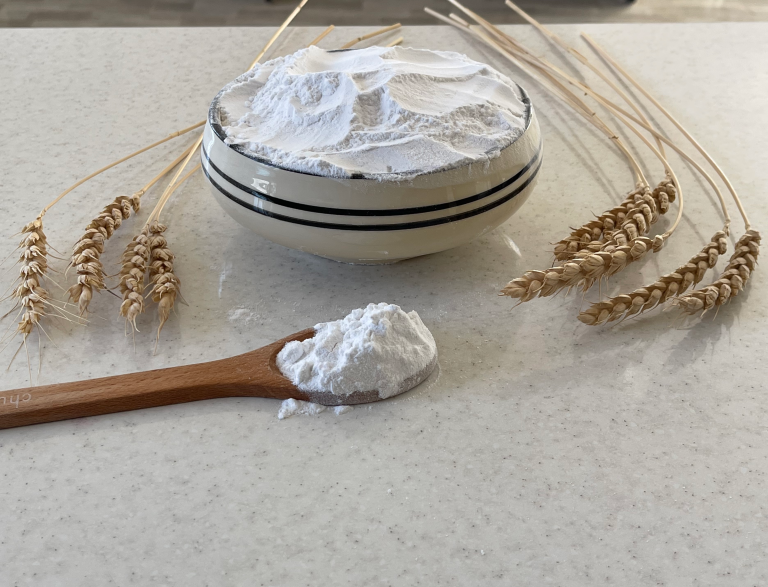
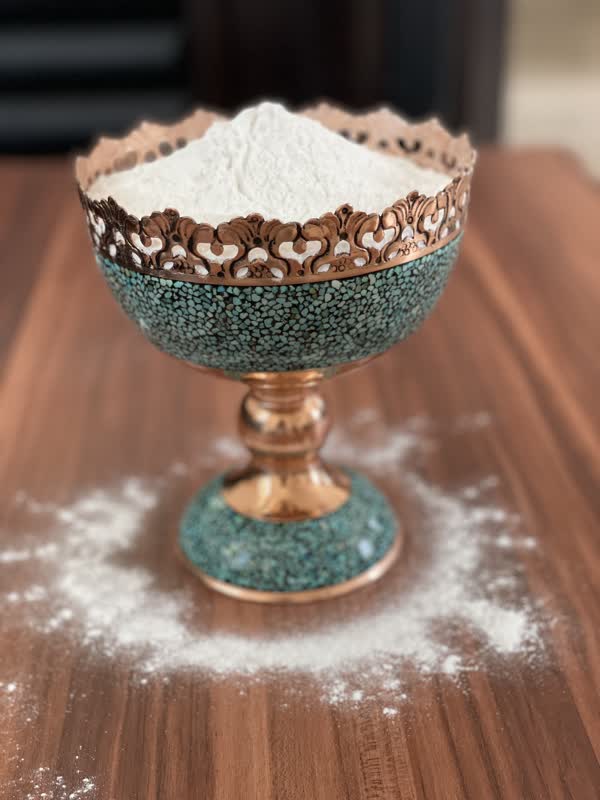
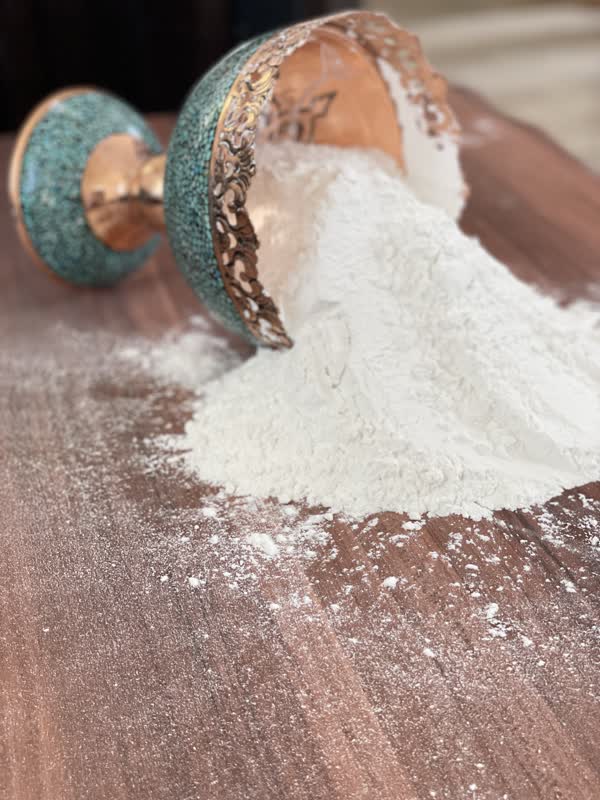
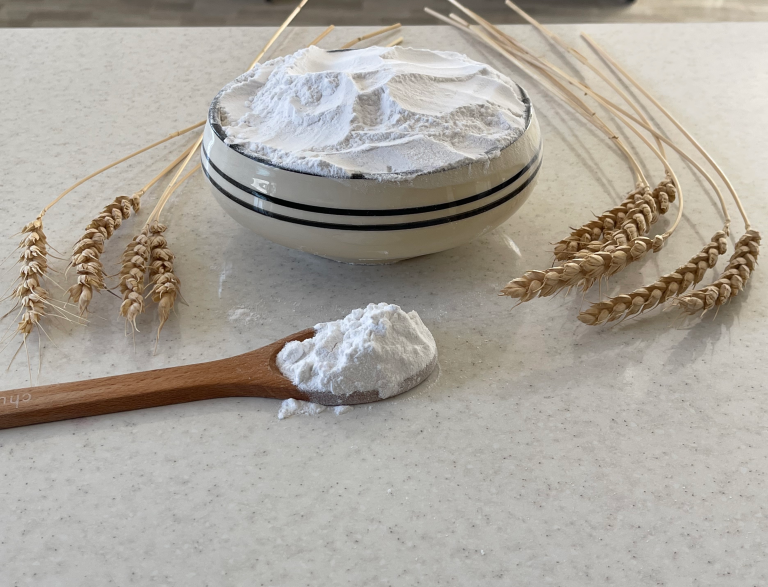
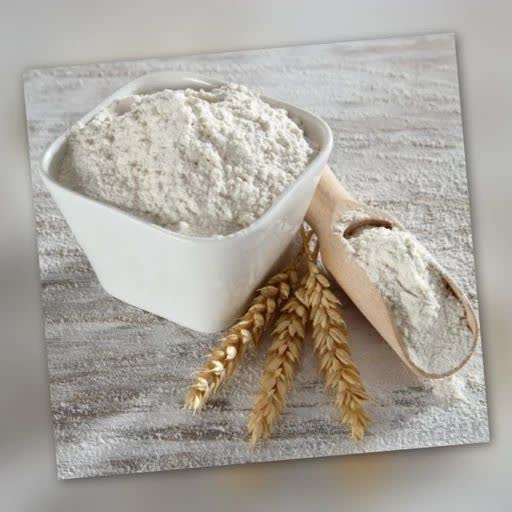
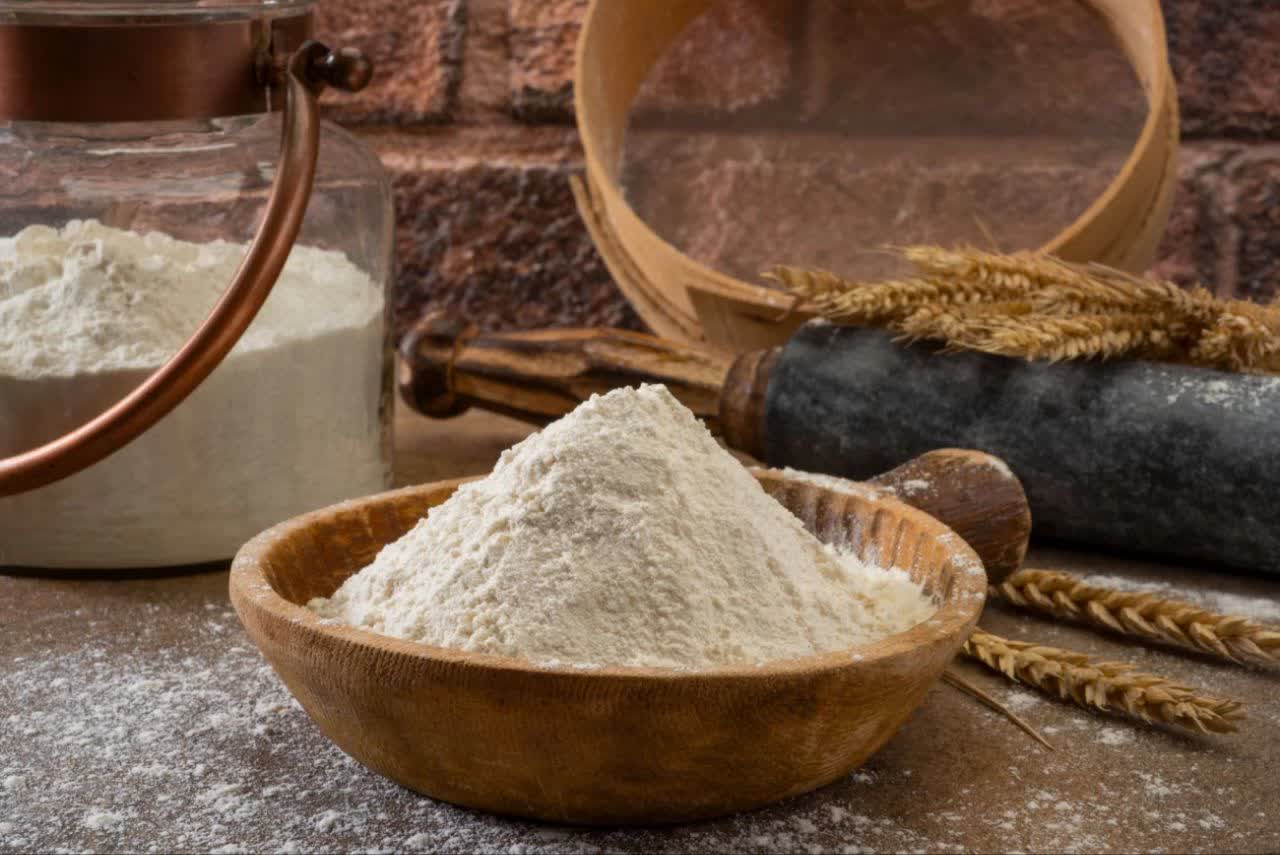
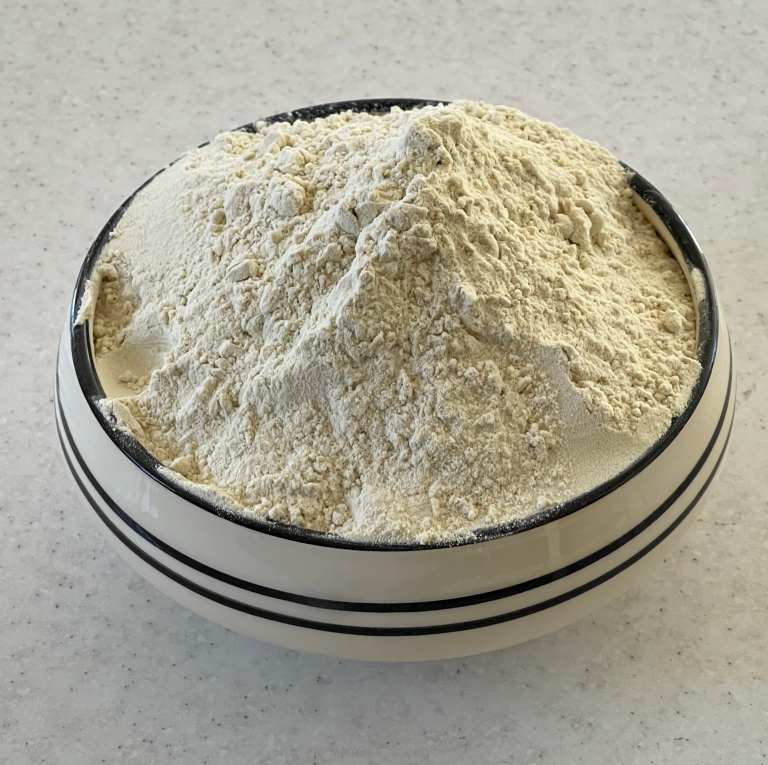
It is a type of starch with high purity and excellent functional properties that is extracted from wheat grain and transformed into an odorless, tasteless, and white product after going through advanced purification processes. This starch has a wide range of applications in the food, pharmaceutical, and medical industries. Due to its special characteristics, it has attracted the attention of many health-oriented food manufacturers.

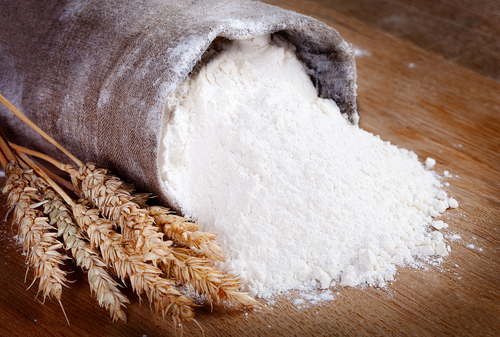
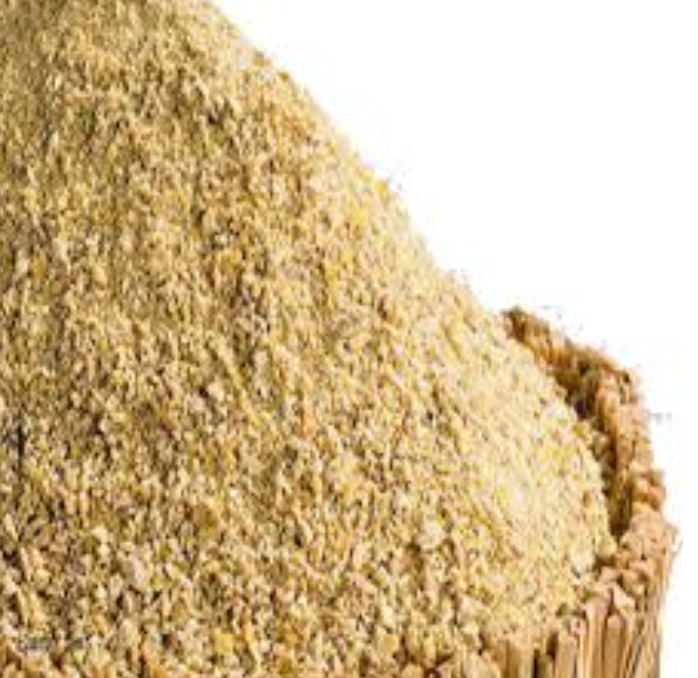
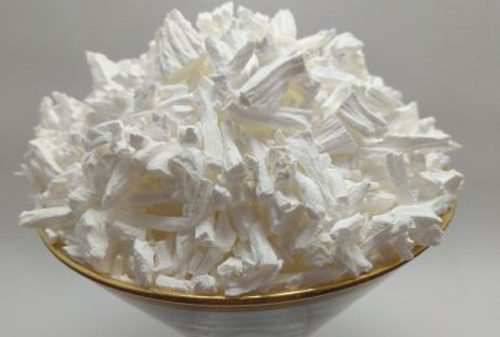
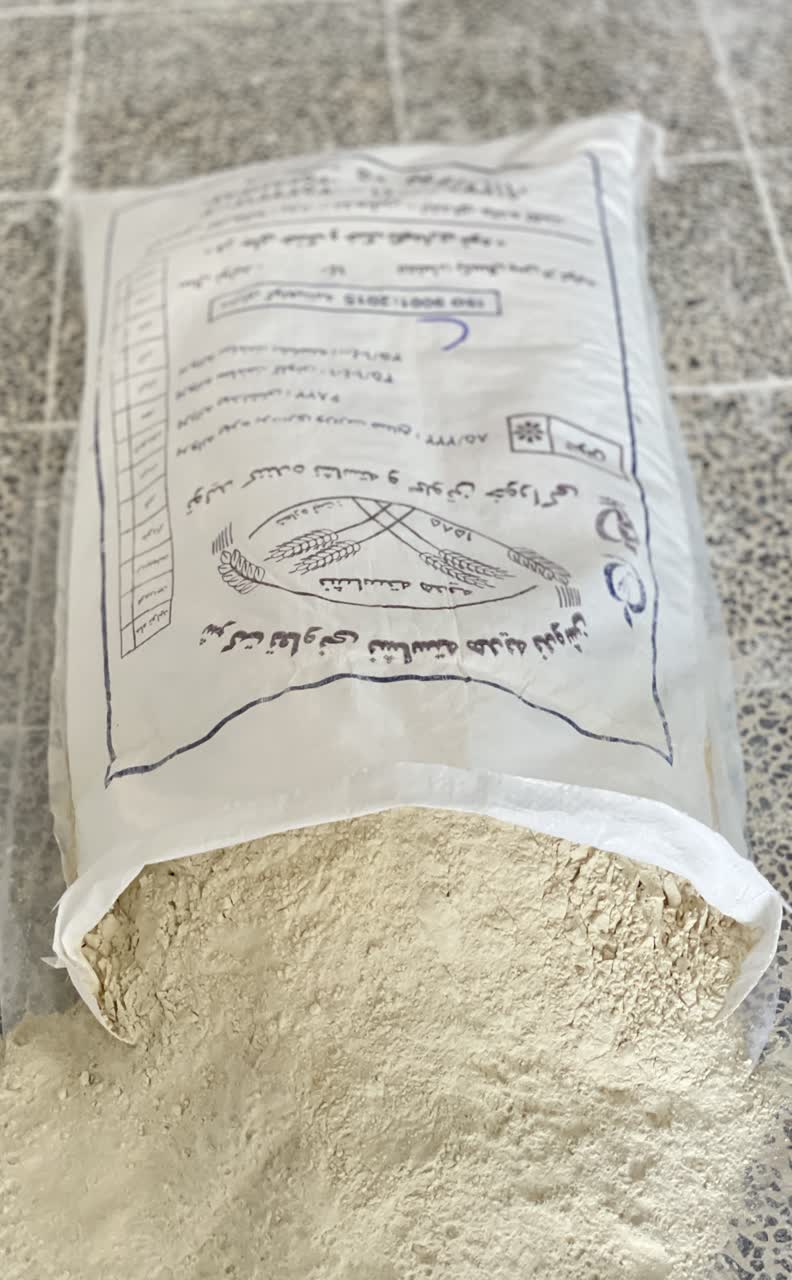
It is a type of starch that contains fiber, carbohydrates, protein, and has high energy and nutritional value. It is included as a supplement in the diet of livestock and poultry according to the formula, depending on the intended use.

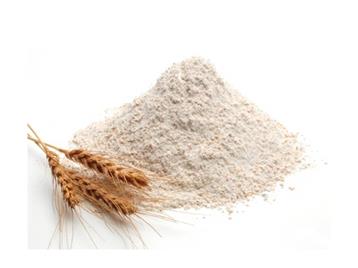
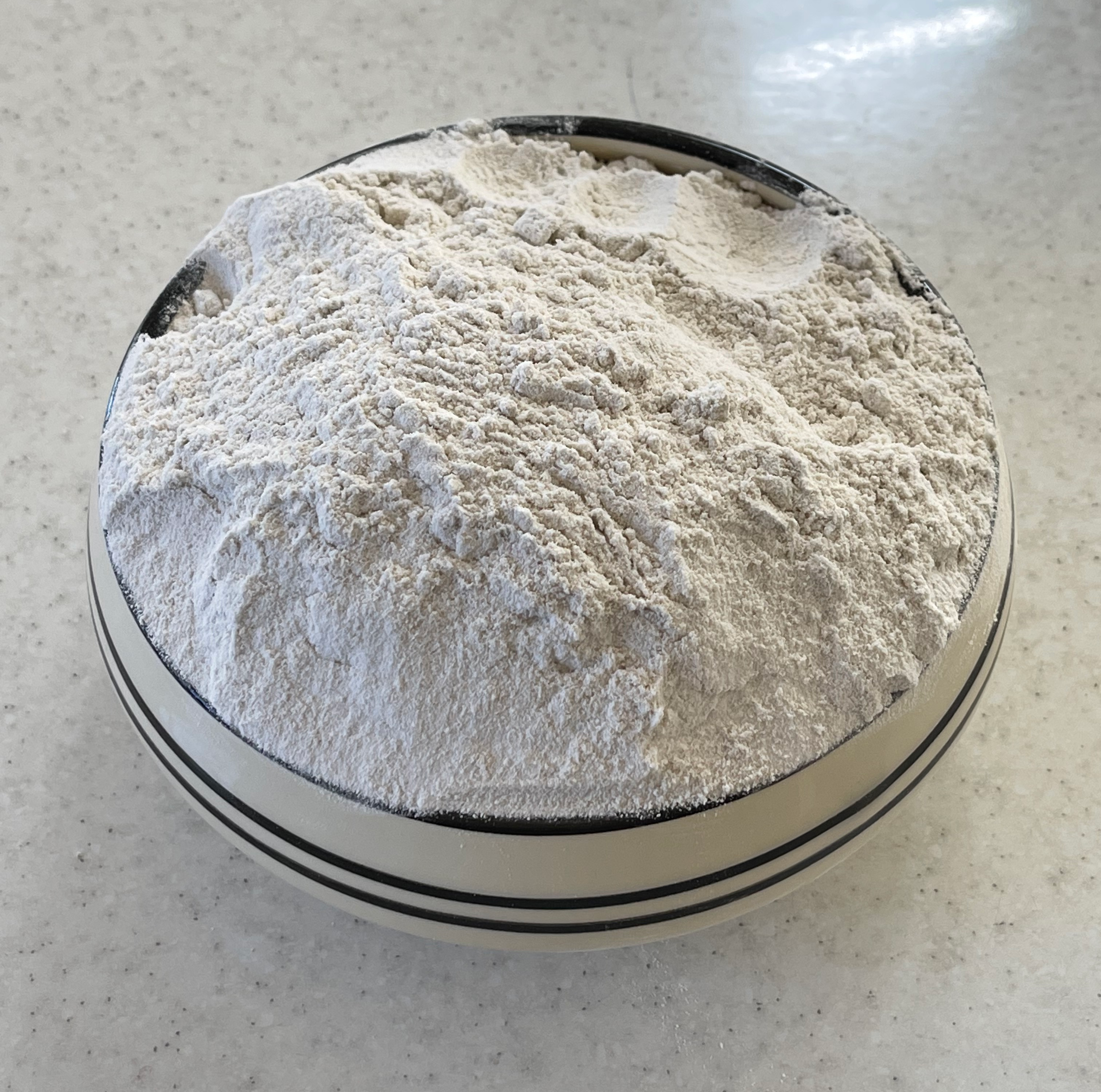
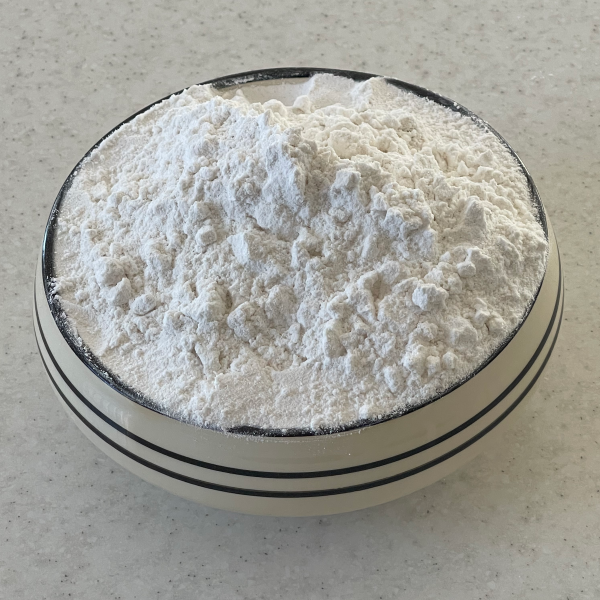
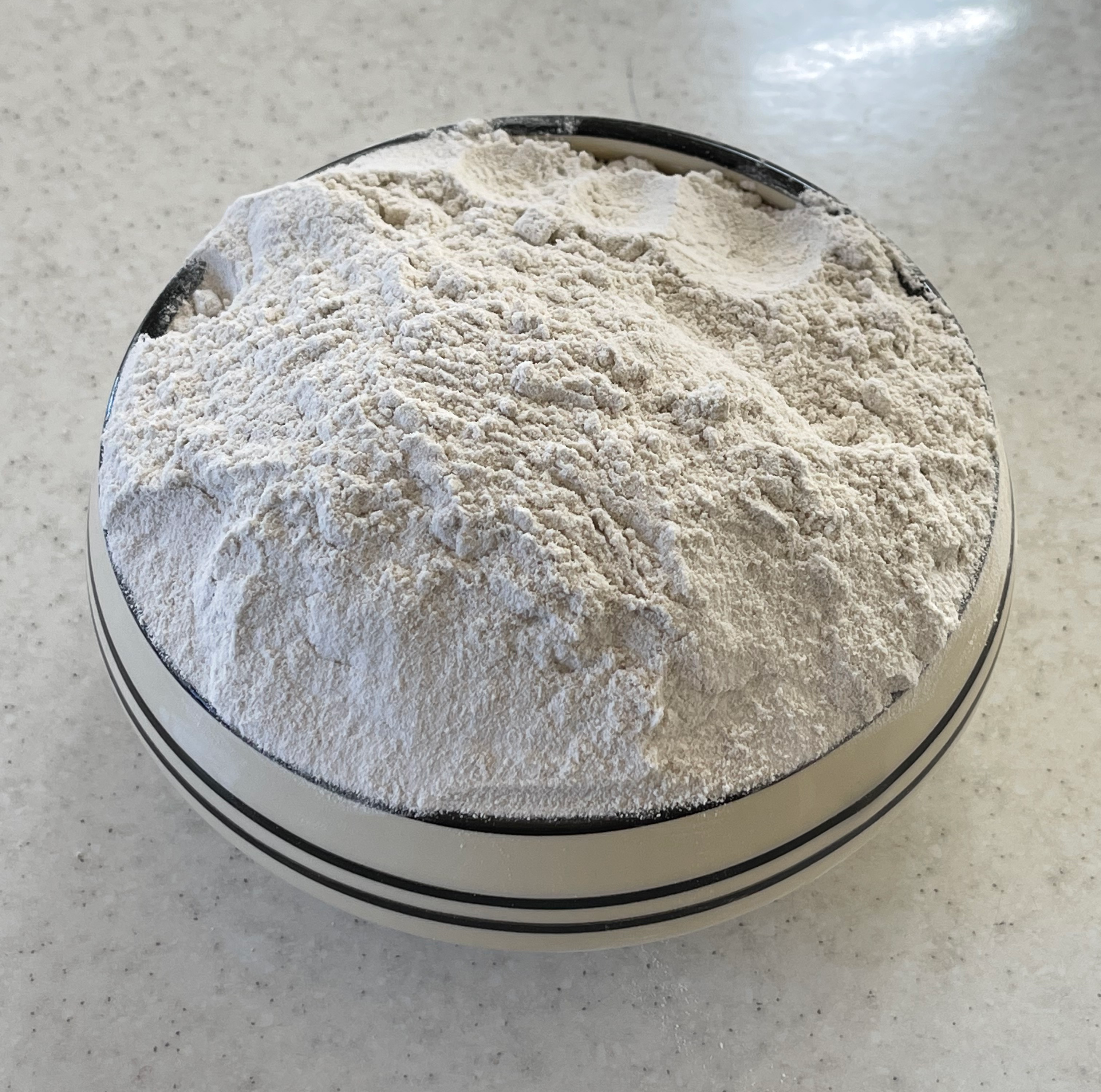
Industrially refined starch refers to starch that has undergone careful purification and refining steps and has been cleaned of unnecessary impurities.

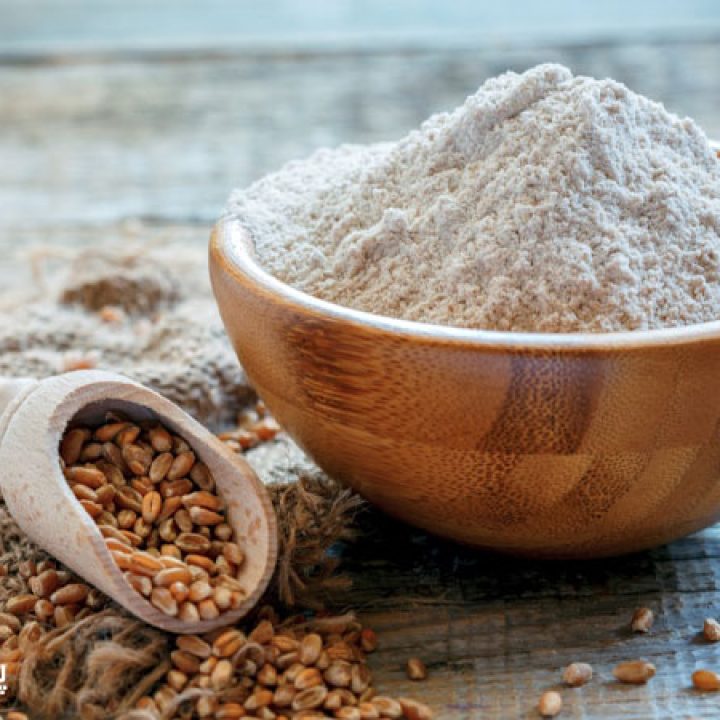
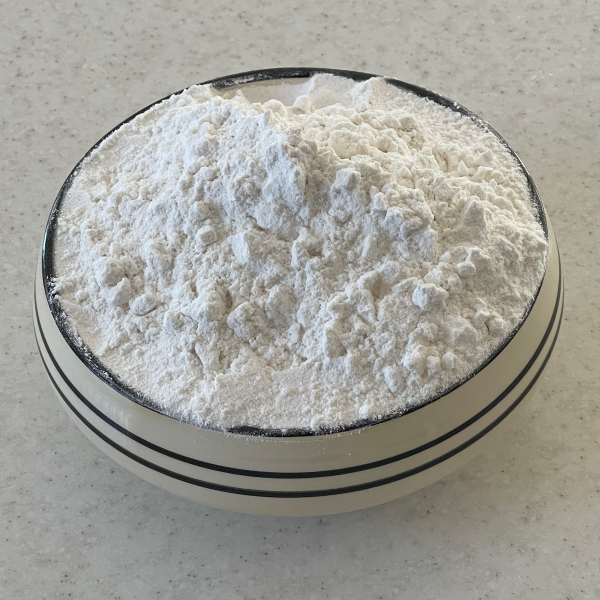
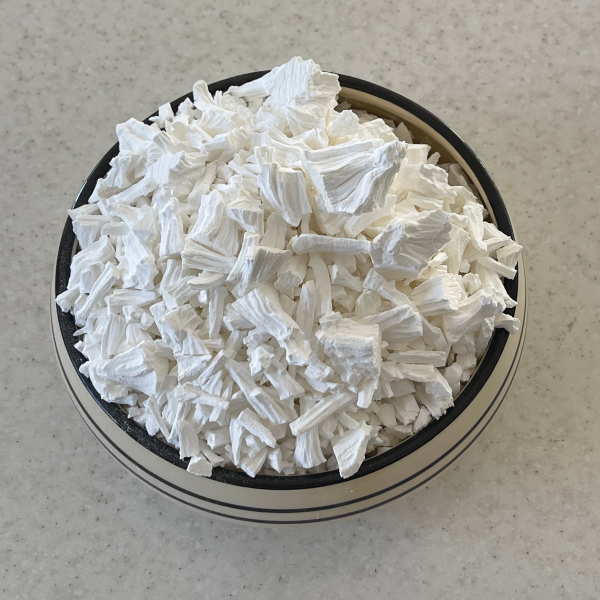
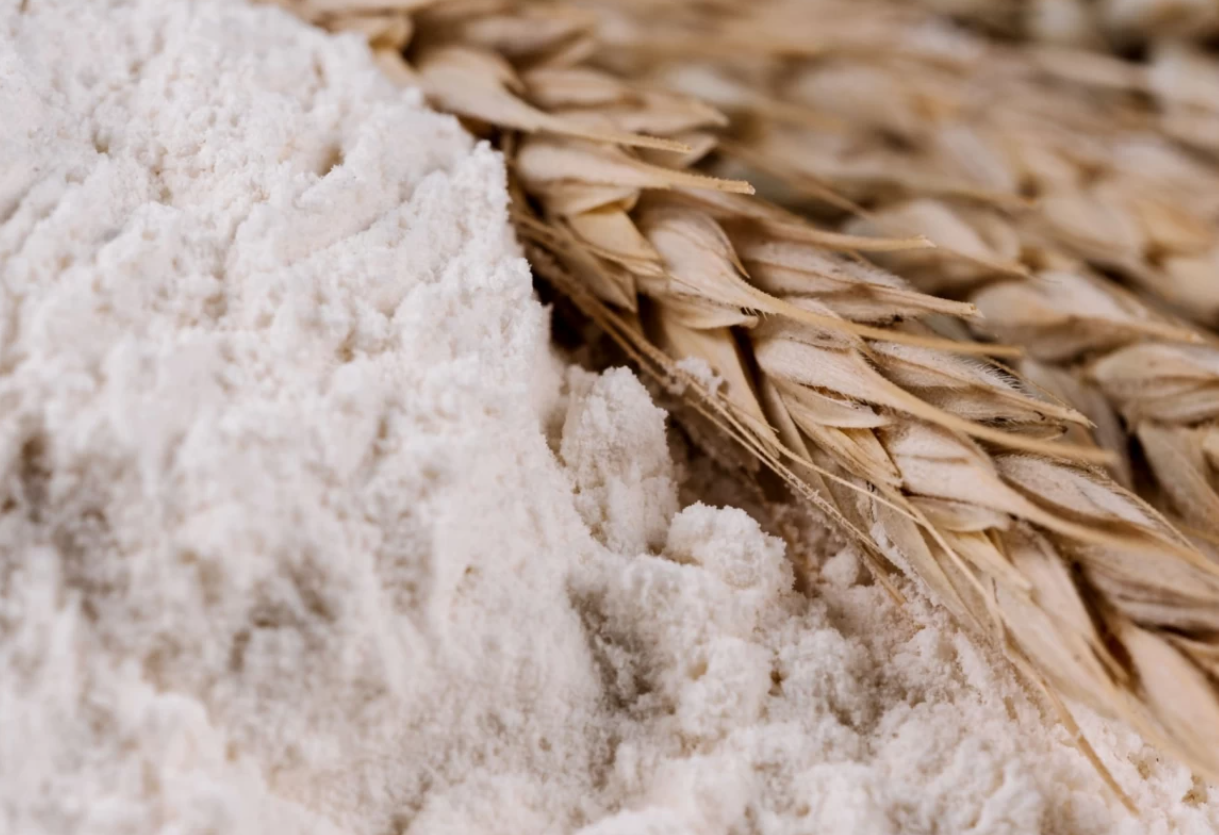
Wheat granulated starch is a natural polysaccharide that exists in the form of tiny granules in the endosperm of wheat grain. This starch has granules of a specific size and shape in terms of structure and is extracted through wet milling of wheat grain and protein separation.

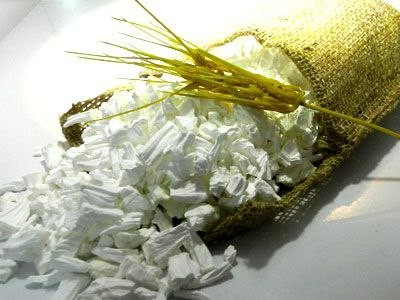
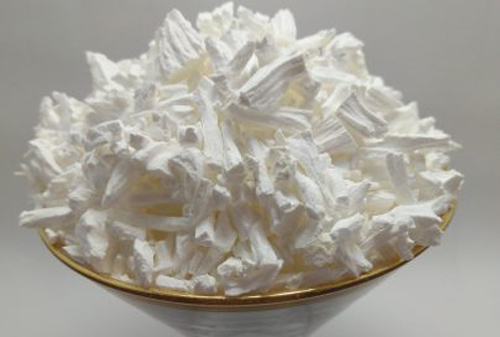
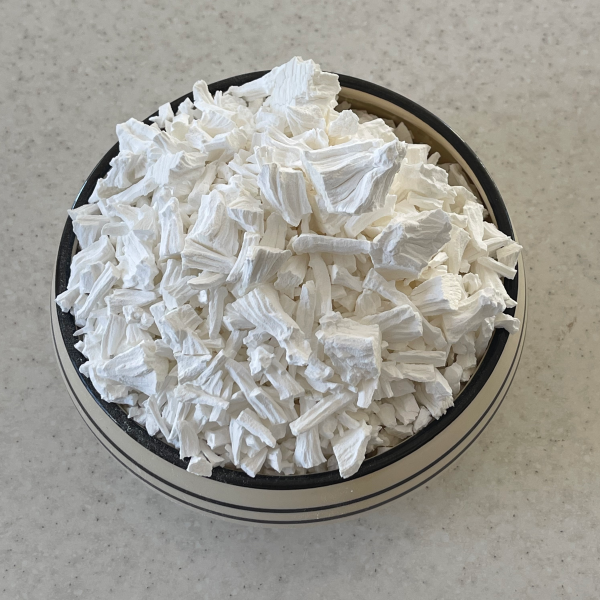
Edible wheat starch
Food industry
Non-food industry
Industrial ultra-refined starch
Food industry
Textile industry
Pharmaceutical industry
Wheat starch granules
Food
Pharmaceuticals
Textiles
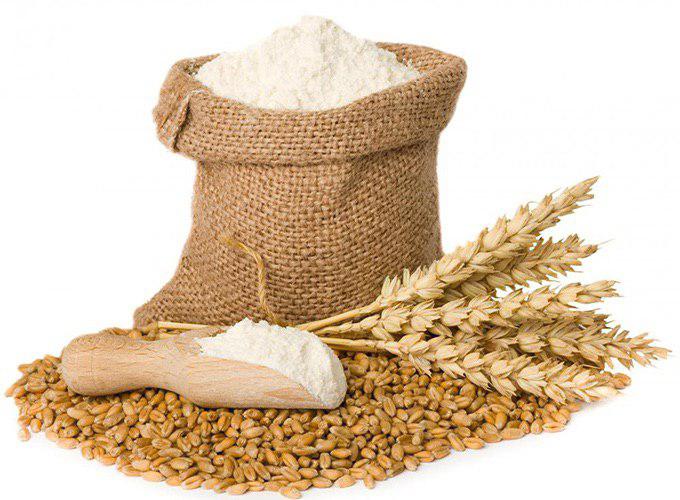
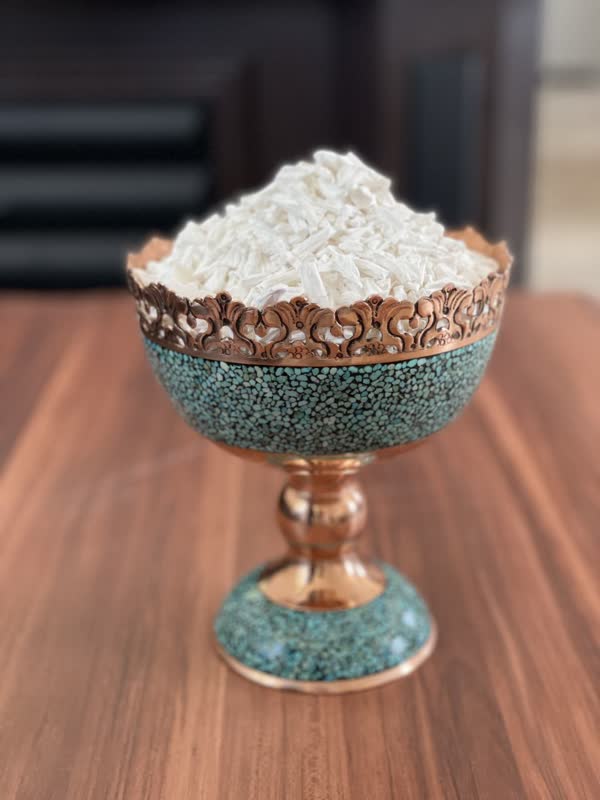
Gluten is a protein found mainly in wheat, barley, and rye. It is responsible for the elasticity of bread dough and makes it soft and moldable. Some people are allergic to gluten or have celiac disease and should avoid it.
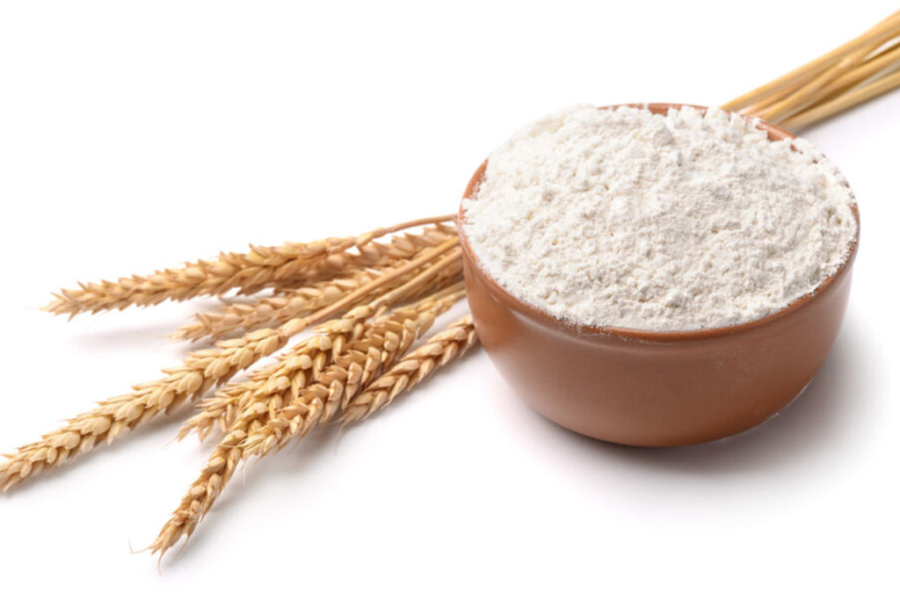
Bakery
Pastry
Pasta
Vegetarian Meats
Dietary supplements
Other products
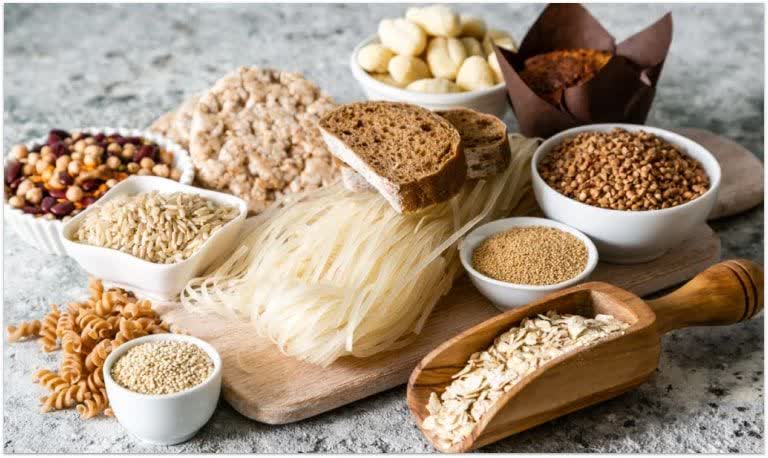
Gluten is formed when glutenin molecules cross-link to form a microscopic network and bind to gliadin, which gives the mixture its stickiness and puffiness.
Provides protein and iron
Gluten is an excellent source of protein, which is needed to build and repair body tissues. It also contains iron, which is important for the production of red blood cells and preventing anemia.
Regulates blood sugar
Consuming whole grains that contain gluten can help regulate blood sugar
Reduces risk of heart disease
Consuming whole grains that contain gluten has been linked to a reduced risk of heart disease
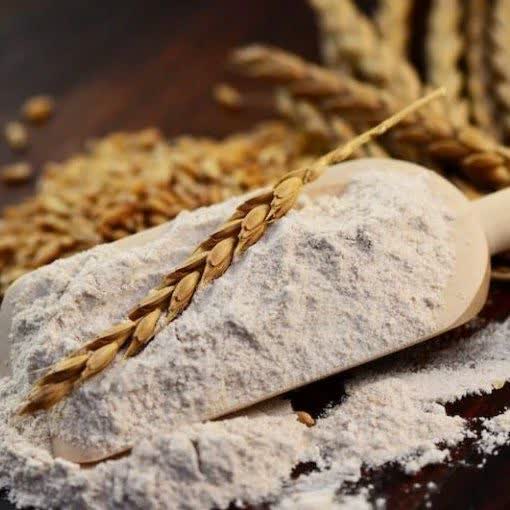
Wheat gluten
Wheat gluten is a protein found in barley, wheat, and rye and has many uses in the food industry. This protein gives the dough elasticity and increases the volume of the bread, especially in bread and other flour products. Gluten can also absorb water and remain in the finished product.
Gluten occurs naturally, but it can be extracted, concentrated, and added to food and other products to add protein, texture, and flavor. It also acts as a binding agent to hold processed foods together and give them shape.
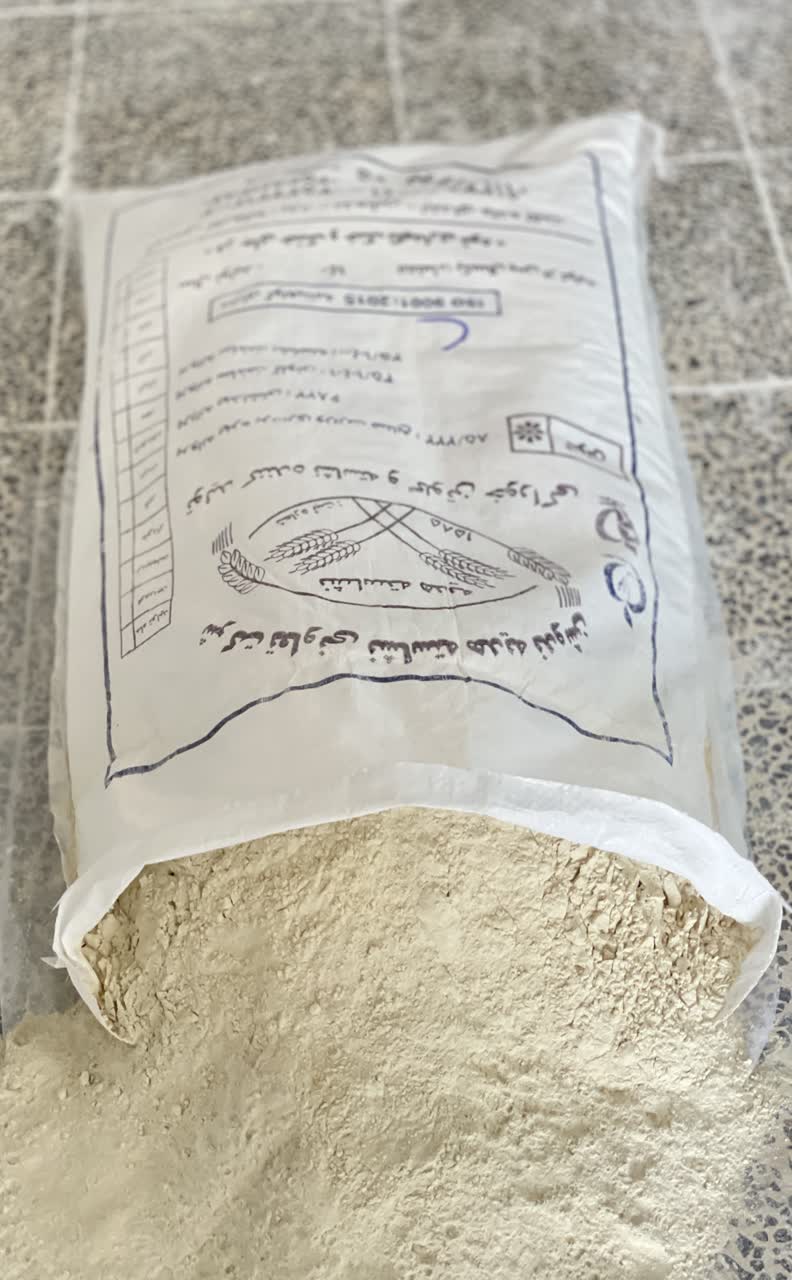


Company website in Persian
Starch website
Gluten website


